
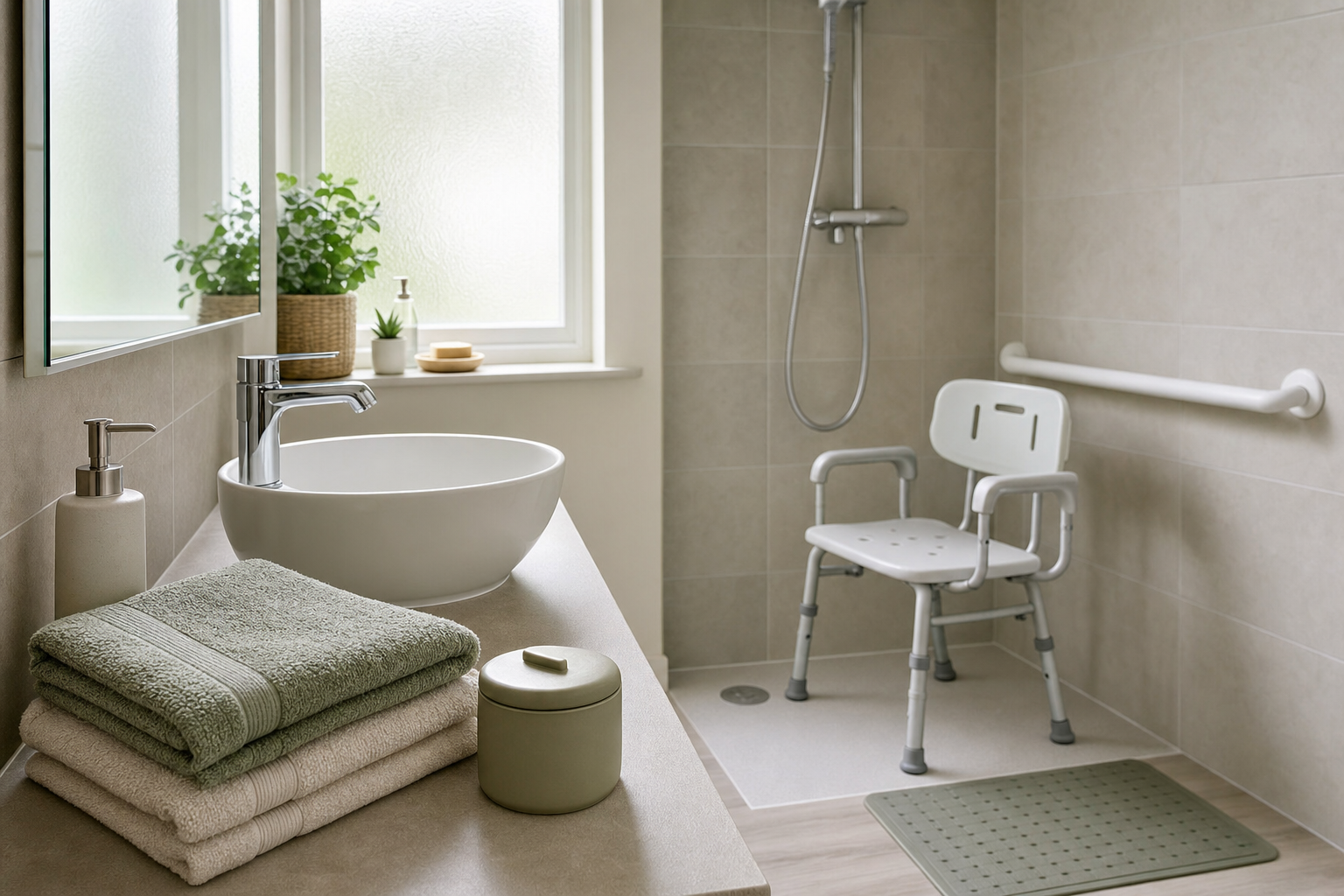
What thoughtful personal care should feel like
Dignity kept visible
We support intimate routines quietly and respectfully, without rushing the person.
Independence still encouraged
Prompting and practical help are balanced with what the person can safely do.
Useful daily observations
Changes in comfort, skin and ability are recorded so concerns are not missed.
Sensitive help with the routines that feel most personal
Needing help with washing, dressing or toileting can feel hard to accept, especially when these have always been private parts of the day. We give discreet support with bathing, grooming, continence care and other intimate routines in a way that protects dignity and keeps as much independence in place as possible. Families choosing Bornipete Limited often want reassurance that help will be respectful rather than rushed. We use prompting where prompting is enough, hands-on help where hands-on help is needed, and we organise care around the person's preferred times, established habits and level of ability.
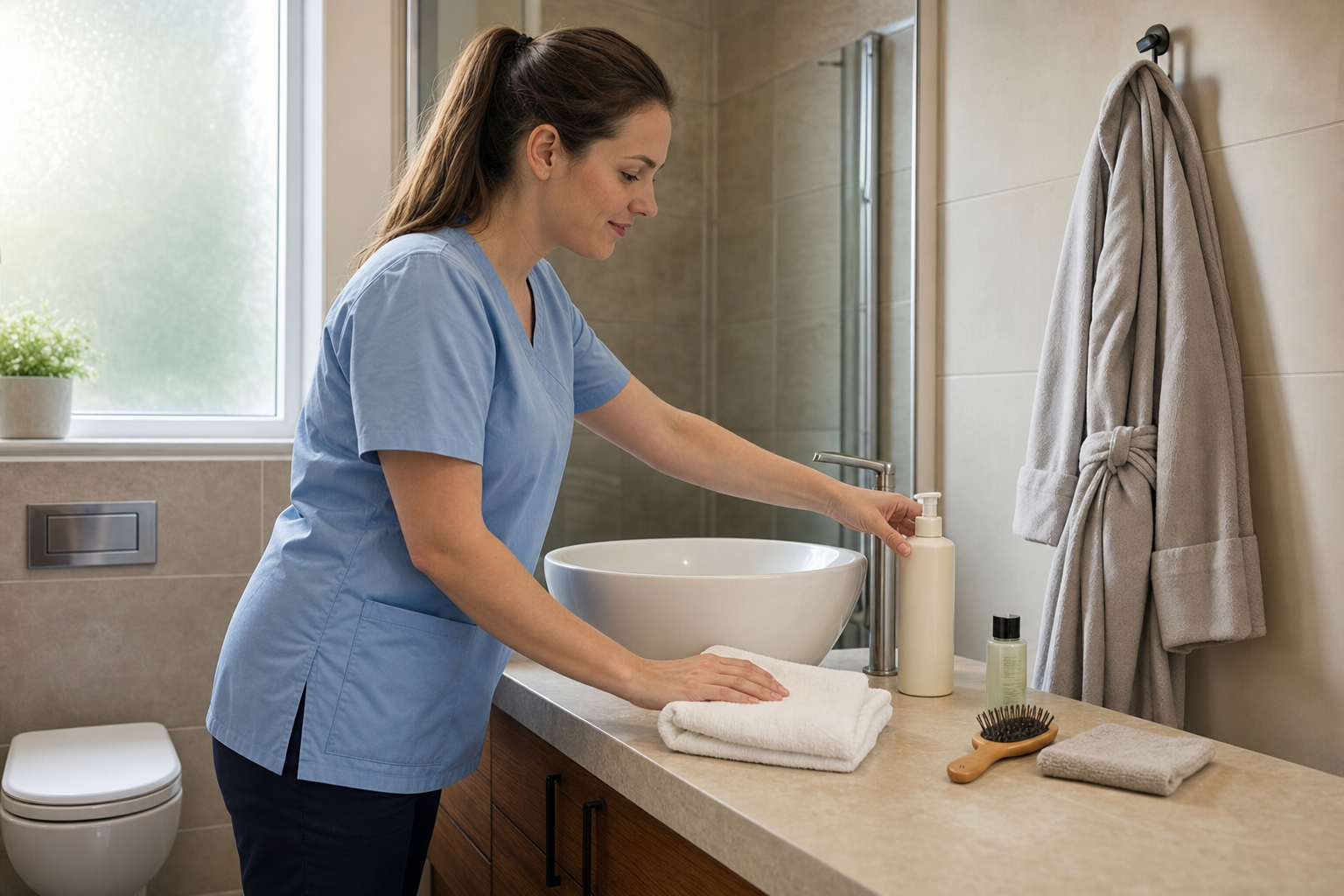
Practical preparation and careful day-to-day observations
Good personal care often depends on the small details being ready at the right time. We can help prepare toiletries, clothing, mobility aids and the bathroom environment so routines run more smoothly and safely. Support through Bornipete Limited starts with a free home visit so we can understand what the person can still do for themselves and where support is required. From our Carshalton base, we also keep records of comfort, skin condition and changes in ability, so concerns are noticed early rather than after a problem has grown.
Frequently asked questions
What personal care tasks can you help with?
We can support washing, bathing, dressing, grooming, toileting, continence care and other intimate daily routines. The level of help depends on what the person can safely manage themselves and what needs hands-on support. We agree the detail in the care plan before care starts.
Can personal care be arranged for specific times of day?
Yes. Personal care often works best when it follows the person's own routine rather than a generic pattern. We can plan support around preferred morning or evening times, regular habits and any equipment or preparation needed, so the routine feels more natural and less disruptive.
How do you make personal care feel respectful?
We listen, explain what we are doing, protect privacy and encourage the person to do whatever they can safely do for themselves. We do not rush intimate routines simply to complete a task list. That approach helps preserve dignity and can make accepting help feel less uncomfortable over time.