
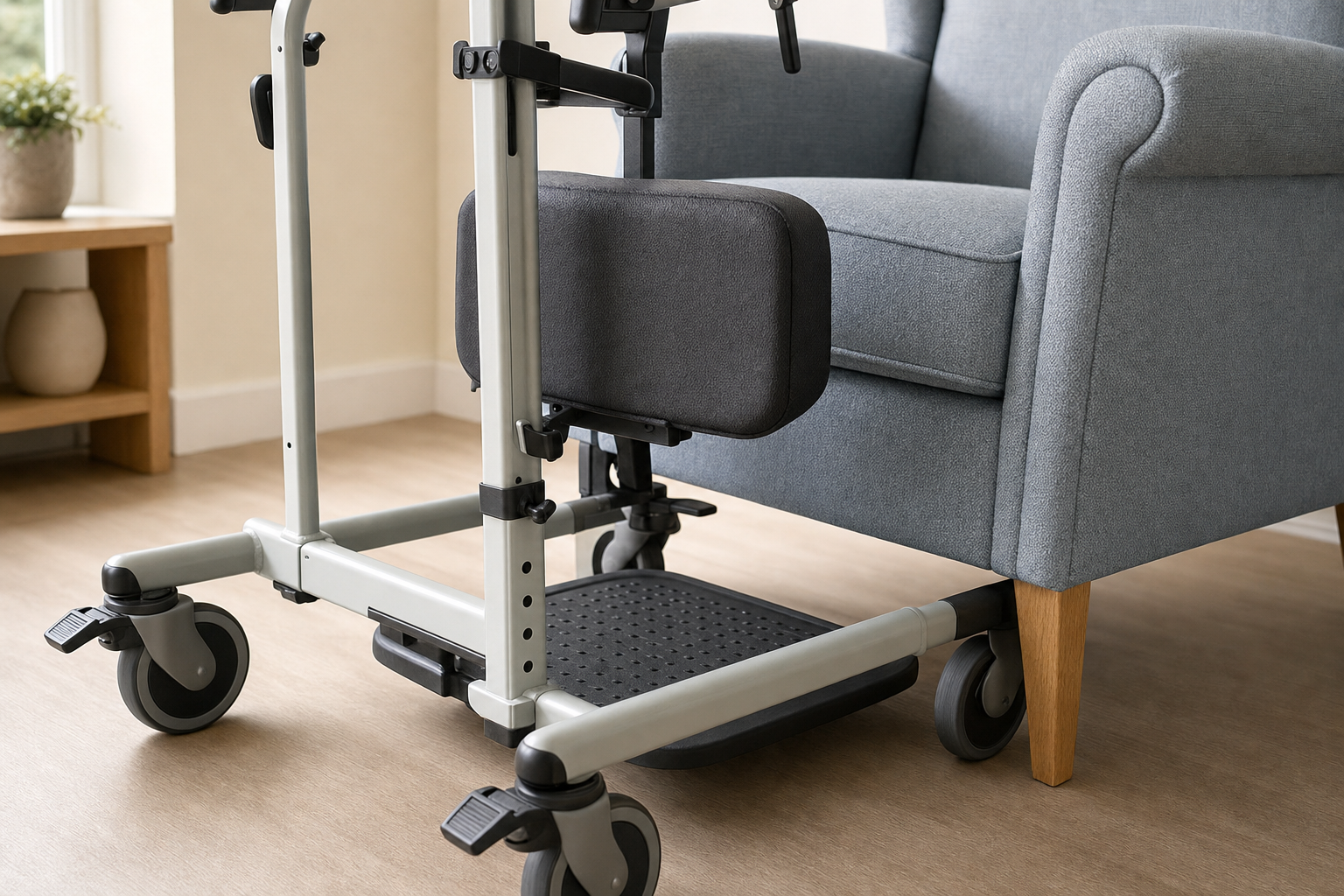
Why mobility support needs to be assessed properly
Safer transfers at home
We follow agreed techniques to support standing, walking and moving between places.
Participation still encouraged
We help without removing the person's role in movement where it is safe to keep it.
Changes recorded for review
A shift in strength or balance is noted so support can be reconsidered promptly.
Safer help with movement around the home
Reduced mobility can turn ordinary parts of the day into points of worry. Standing up, walking to the bathroom, moving in bed or transferring to a chair may suddenly need more thought, more time and more help than before. We support safer movement around the home through assistance with walking, bed mobility, chairs, toileting and other transfers according to the person's assessed ability. Families choosing Bornipete Limited often want reassurance that help will be given carefully, not hurriedly. We encourage the person to participate as fully as possible, because keeping existing strength and confidence matters just as much as giving practical help in the moment.
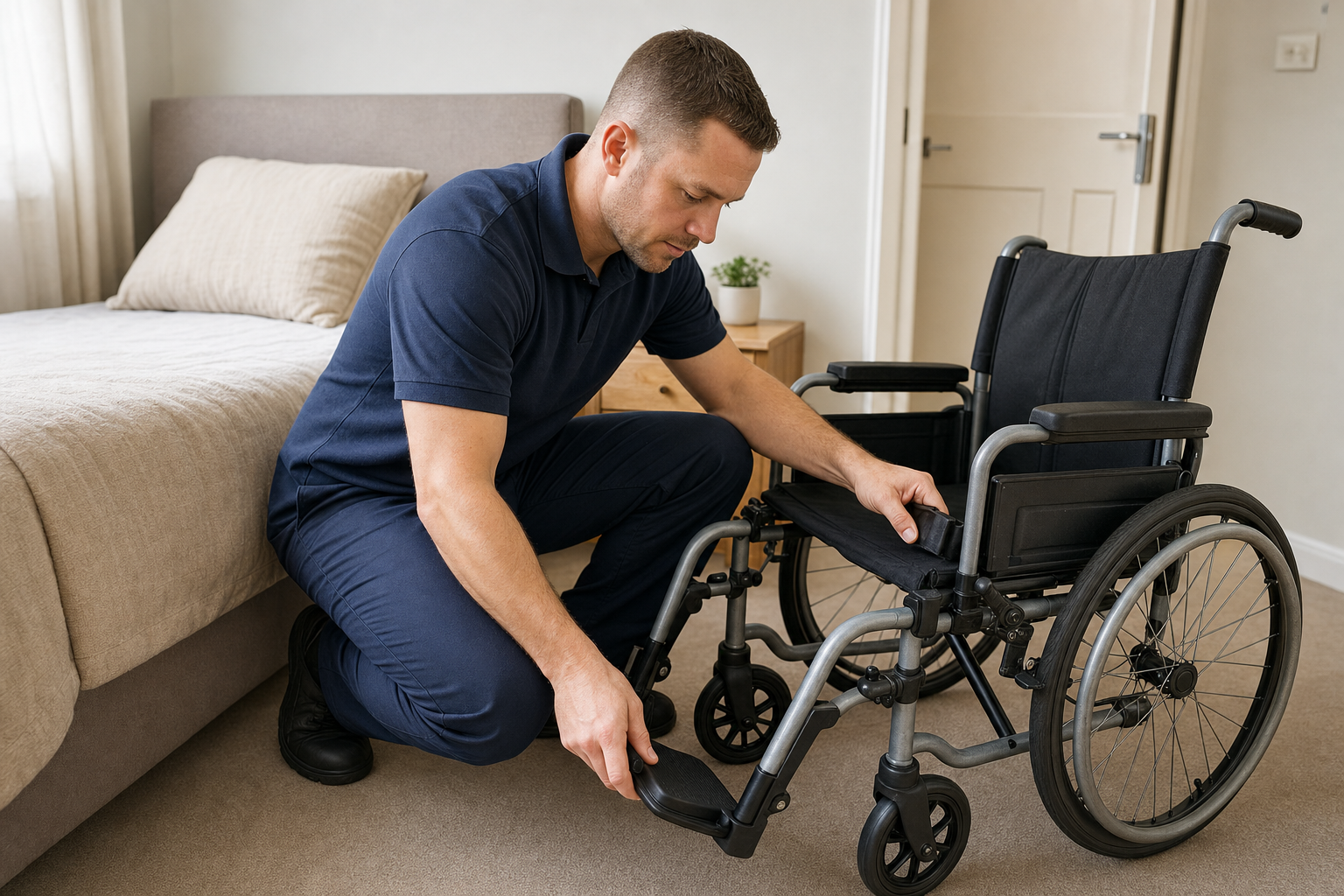
Assessment, equipment and reviews after changes
Good moving and handling support begins with understanding strength, balance, pain levels, falls risk, the home environment and any prescribed equipment already in use. We use agreed techniques and mobility aids as set out in the care plan, and we record changes that may affect safety or comfort. Support through Bornipete Limited starts with a free home visit, and from our Carshalton base we can review support after illness, a fall or hospital discharge if movement has changed. That helps keep the arrangement safer and avoids carrying on with a routine that no longer fits the person's needs.
Frequently asked questions
What kinds of movement can you help with?
We can help with standing, walking, changing position in bed, moving to and from chairs, toileting and other transfers within the home. The support depends on the person's assessed ability, comfort and equipment. We agree the safest approach before care begins, rather than improvising from visit to visit.
Do you use mobility aids and agreed techniques?
Yes. We follow the agreed moving and handling approach set out in the care plan and use prescribed mobility aids where required. That consistency matters because movement support needs to protect both safety and dignity. We also encourage the person to do what they safely can, rather than becoming passive in the process.
What if mobility changes after a fall or illness?
We record the change and review the support arrangement. A fall, illness or hospital stay can alter strength, balance, confidence and pain levels, so the previous routine may no longer be right. Reviewing support promptly helps reduce further risk and makes sure the person is not pushed beyond what is safe.