
Why careful planning matters before day one
Needs understood properly
We look at routines, risks and goals in enough detail to plan useful support.
A written plan to follow
The agreed care plan makes responsibilities and visit tasks clear from the start.
Reviews as life changes
Support is checked and revised so the plan does not drift out of date.
Understanding the person before care starts
A good care package begins with listening properly. We use the assessment to understand diagnoses, daily routines, preferences, risks and the outcomes the person wants from support at home. We also look at practical areas such as personal care, medication, mobility, nutrition, communication, memory, safety in the home and social needs. Families choosing Bornipete Limited often feel they need help but are unsure what that help should actually look like. The assessment gives shape to that uncertainty, turning general worry into a clearer picture of what support is required and what should still remain in the person's own hands.

Turning information into a written care plan
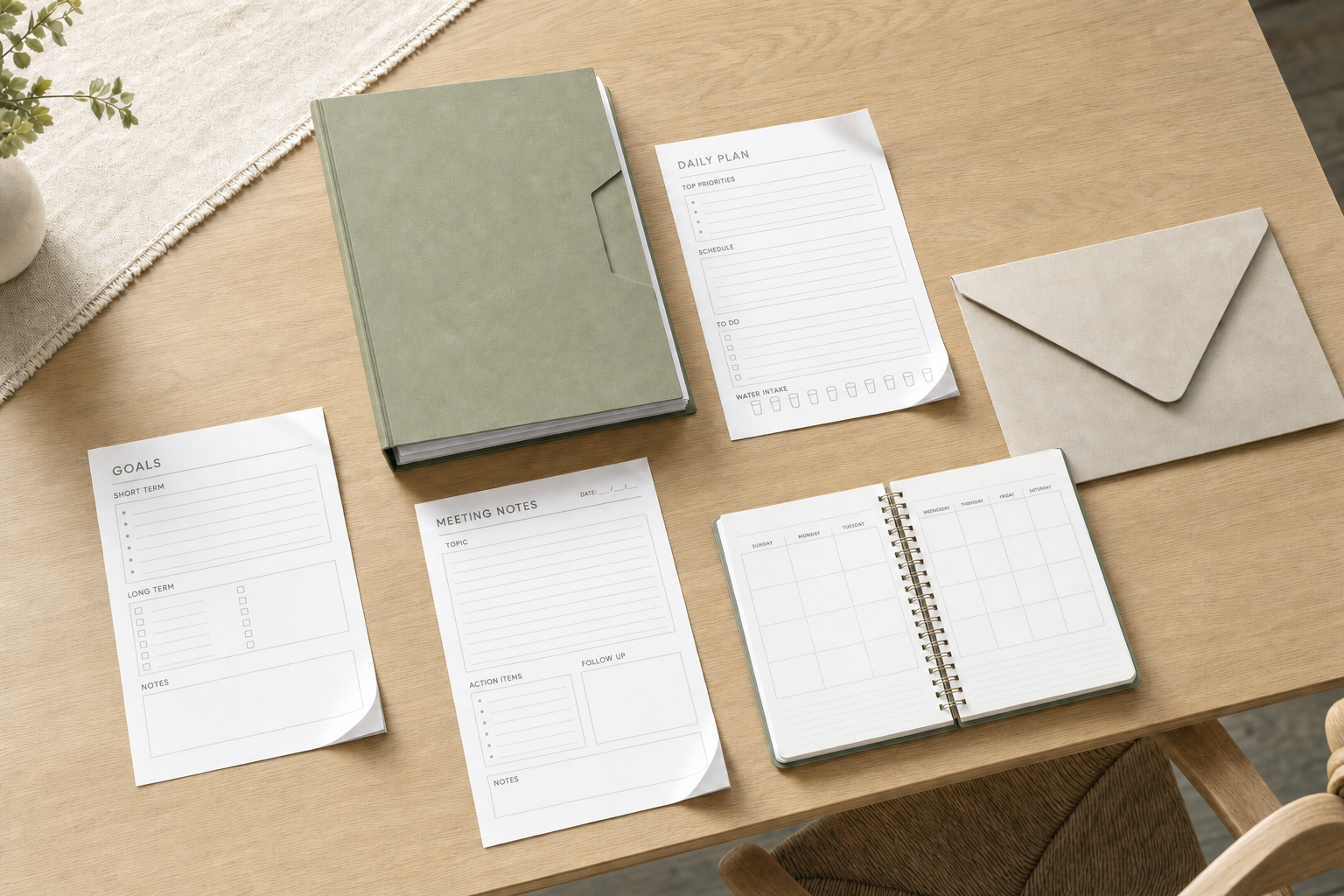
Once we understand the situation, we turn the assessment into a bespoke care package and written care plan that explains what support is needed and how it should be delivered. We agree responsibilities, visit requirements and individual goals before care begins, then review the plan as needs change. Support through Bornipete Limited starts with a free, no-obligation home visit, and from our Carshalton base we use that time to make sure the right details are in place before the first call. That preparation helps care start more smoothly and feel less uncertain for everyone involved.
Frequently asked questions
What happens during a home care assessment?
We talk through the person's health, routines, abilities, preferences and the help that may be needed at home. That includes practical areas such as personal care, medication, mobility, meals, communication and safety. The aim is to build a clear picture, not to rush to a one-size-fits-all answer.
Does the assessment lead to a written care plan?
Yes. We use the information from the assessment to create a written care plan that sets out what support is required, how it should be given and what outcomes matter most. That plan helps our carers work consistently and gives families a clearer understanding of how care will run day to day.
Can family members be involved in care planning?
Yes, if the person wants that involvement. Family members often hold useful information about routines, communication, risks and the small details that make support feel more natural. Their input can help us build a plan that is both practical and respectful of the person's wishes, habits and daily life.